Simple Ways to Reduce Air Leaks in Your Home and Save on Energy Bills
In the harsh, cold winters of Northwestern Ontario, especially around Thunder Bay and areas influenced by Lake Superior’s strong winds, air leaks are a major culprit behind heat loss and skyrocketing energy bills. Even tiny gaps around windows, doors, and hidden spots can let in drafts, making your home feel chilly and forcing your furnace to work overtime.
Reducing air leakage—also known as air sealing—is one of the most cost-effective home improvements you can make. It boosts comfort, lowers heating costs, and improves overall energy efficiency. At Green Superior, we specialize in helping homeowners in Thunder Bay and surrounding communities identify and fix these issues every day.

Why Air Sealing Matters for Northwestern Ontario Homes
Cold air infiltration through leaks can account for up to 30% of a home’s heat loss. In our region, with prolonged sub-zero temperatures, this means higher energy consumption and uncomfortable drafts. Proper air sealing not only keeps the warmth in but also helps prevent moisture issues like condensation and ice buildup.
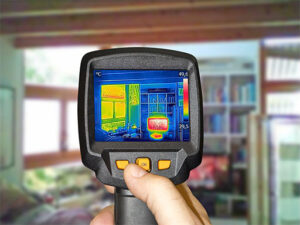
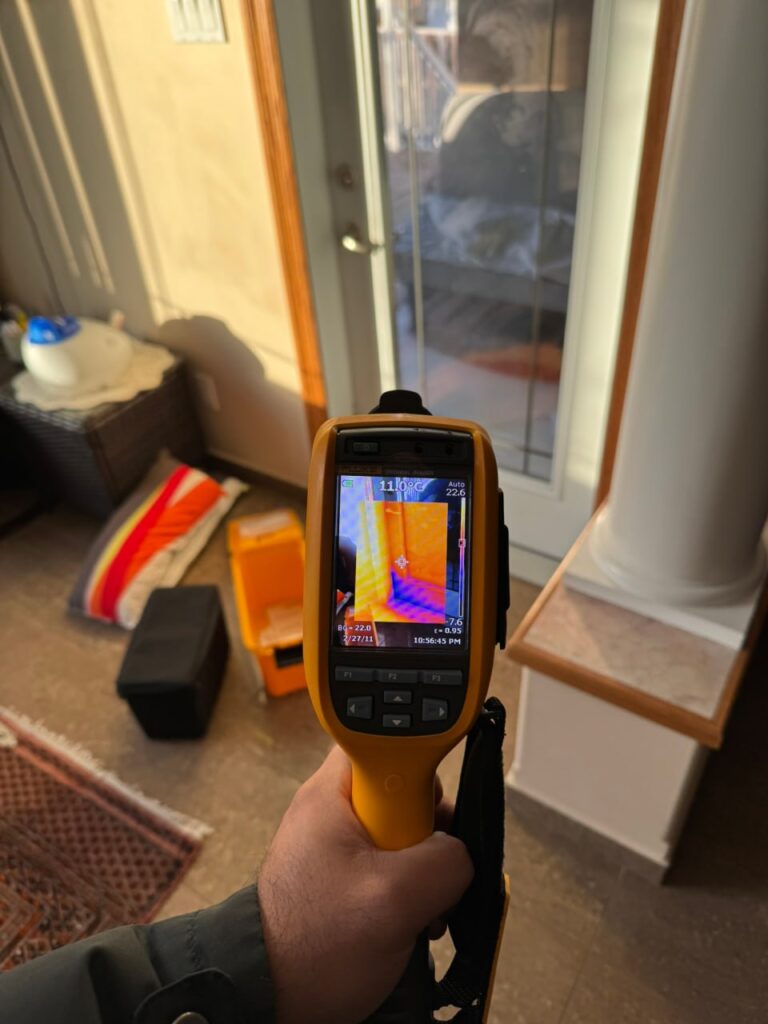
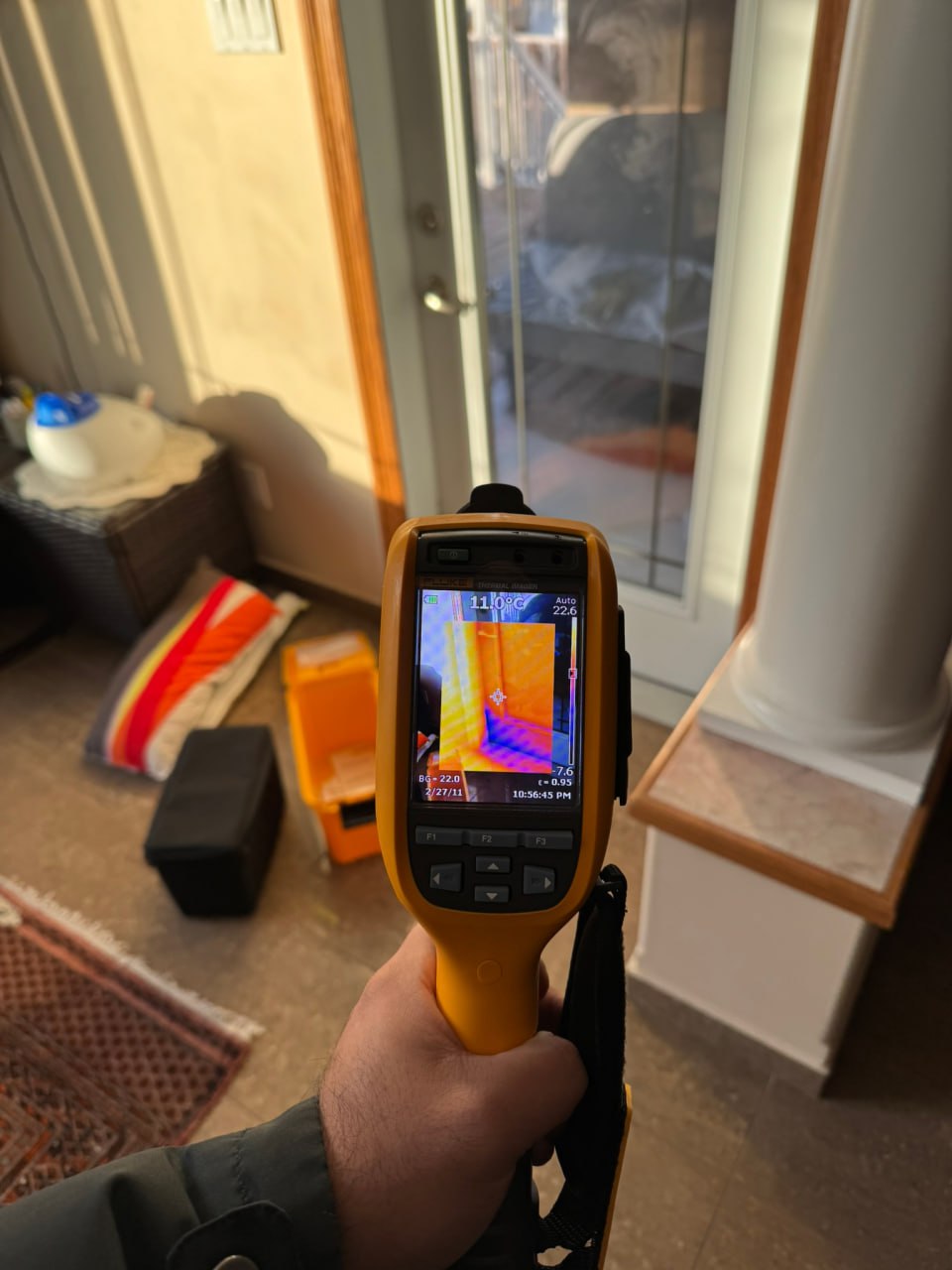
Thermal imaging reveals hidden air leaks, showing cold spots in bright colors.
Step-by-Step Guide: Simple Ways to Reduce Air Leaks
1. Start with a Professional Air Leakage Assessment
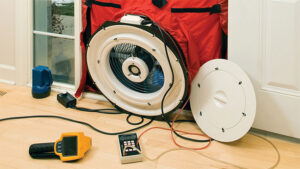
The best way to tackle air leaks is to know exactly where they are. A blower door test depressurizes your home to detect drafts in attics, basements, walls, windows, and doors.
Green Superior uses advanced tools like blower door equipment, thermal imaging cameras, and smoke pencils for precise identification. This targeted approach ensures efficient fixes with real, measurable results—perfect for older homes common in Thunder Bay.
2. Seal Windows and Doors
Windows and doors are common leak spots. Apply weatherstripping around movable parts and high-quality caulk to gaps in frames.

Applying caulk and weatherstripping—simple DIY steps for big energy savings.
3. Seal Your Attic
Warm air rises, so attics are often the biggest source of heat escape. Seal penetrations around wires, pipes, hatches, and vents before adding more insulation.
4. Address Basement and Foundation Leaks
Cold air enters through rim joists and foundation cracks, leading to chilly floors. Use spray foam for effective sealing and insulation in one go.
5. Seal and Insulate Ducts
Leaky ducts in unconditioned spaces waste heated air. Sealing them improves system efficiency and even temperatures throughout your home.
6. Maintain Proper Ventilation
As you make your home airtight, fresh air is crucial. Install a Heat Recovery Ventilator (HRV) to exchange stale air while recovering heat.
Frequently Asked Questions About Reducing Air Leaks
What are the most common air leaks in homes?
Windows, doors, attics, basements, and electrical outlets are top offenders.
How much can I save by air sealing my home?
Homeowners often see 10-20% reductions in heating bills, depending on the home’s age and condition.
Is air sealing a DIY project or should I hire professionals?
Simple tasks like caulking are DIY-friendly, but for comprehensive results—especially blower door testing—professionals like Green Superior ensure accuracy.
Does air sealing cause moisture problems?
No, when done correctly with proper ventilation like an HRV, it prevents issues by controlling airflow.
How long does air sealing last?
Quality materials like spray foam and caulk can last 20+ years.
Final Thoughts: Take Control of Your Home’s Energy Efficiency
Air sealing is a smart, low-cost upgrade that pays off quickly in comfort and savings—especially in Northwestern Ontario’s demanding climate. Whether you’re dealing with drafts or high bills, starting with an assessment can make all the difference.
Green Superior is your local expert in Thunder Bay for air sealing, energy audits, and coaching. Contact us today to schedule a professional evaluation and enjoy a warmer, more efficient home this winter!